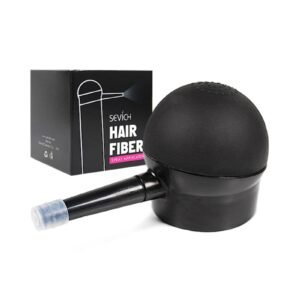
- Refined aesthetics with shinywild showcasing innovative design and lasting impressions
- The Evolution of Modern Aesthetics
- The Role of Material Selection
- The Impact of Color Palettes and Textures
- Layering Textures for Depth
- The Role of Form and Function
- Streamlining for Practicality and Aesthetics
- Exploring the Influence of Minimalism
- The Future of Aesthetic Design with brands like shinywild
Refined aesthetics with shinywild showcasing innovative design and lasting impressions
The pursuit of aesthetic excellence is a defining characteristic of contemporary design. From the sleek lines of modern architecture to the intricate details of handcrafted jewelry, people are consistently drawn to beauty and refinement. Increasingly, this pursuit is manifesting in a demand for products and experiences that not only function well but also possess a distinct visual appeal. One emerging brand, shinywild, is capturing attention with its commitment to delivering precisely this – a harmonious blend of innovative design and lasting impressions, elevating everyday objects into coveted pieces.
This isn’t simply about superficial ornamentation; it's a deeper exploration of how form and function can coexist and even enhance one another. Consumers are savvier than ever, seeking quality, durability, and a sense of individuality in their purchases. The market responds best to those brands that understand this shift, offering products that tell a story and reflect a particular lifestyle. This demand is driving a resurgence of interest in materials, craftsmanship, and the overall artistic vision behind each creation. The philosophy behind the crafting of an item, and its ability to integrate seamlessly into the user's world, are key components of success in today’s competitive landscape.
The Evolution of Modern Aesthetics
The aesthetic landscape is constantly evolving, influenced by a complex interplay of cultural trends, technological advancements, and artistic movements. What was considered beautiful or desirable a decade ago may now appear dated or unimaginative. This dynamic nature necessitates a constant process of adaptation and innovation. The emphasis has shifted from ostentatious displays of wealth to a more understated and sophisticated elegance. Consumers are now valuing experiences and quality over quantity, and this translates into a demand for products that are timeless, versatile, and imbued with a sense of authenticity. This reflects a broader societal trend toward minimalism and intentional living, where possessions are carefully selected based on their utility and aesthetic value. The focus is on acquiring items that enrich life, rather than simply cluttering space.
The Role of Material Selection
A critical component of achieving a refined aesthetic lies in the careful selection of materials. High-quality materials not only contribute to the visual appeal of a product but also enhance its durability and longevity. Choosing sustainable and ethically sourced materials is also becoming increasingly important, reflecting a growing awareness of environmental and social responsibility. The tactile experience of a material – its texture, weight, and temperature – can significantly impact the overall perception of quality. For example, the warmth of natural wood, the coolness of polished metal, or the softness of luxurious fabrics can all evoke different emotional responses, contributing to the overall aesthetic impact. Consider the rise of artisan crafts, where materials are often celebrated for their unique imperfections and natural beauty.
| Material | Aesthetic Qualities | Durability | Sustainability |
|---|---|---|---|
| Stainless Steel | Modern, Sleek, Industrial | High | Recyclable |
| Natural Wood | Warm, Rustic, Organic | Medium to High | Renewable (with responsible forestry) |
| Leather | Luxurious, Timeless, Classic | High | Variable (depending on tanning process) |
| Glass | Elegant, Transparent, Delicate | Medium | Recyclable |
The selection process almost always involves a delicate balancing act between aesthetic considerations, functional requirements, and budgetary constraints. A successful design often showcases how these elements can be harmoniously integrated, creating a product that is both visually appealing and practically sound. Material innovation continues to unlock new possibilities, pushing the boundaries of design and enabling the creation of products that are both beautiful and sustainable.
The Impact of Color Palettes and Textures
Color and texture are fundamental elements of aesthetic design, possessing the power to evoke emotions, create atmospheres, and define styles. The careful selection of a color palette can dramatically alter the overall feel of a product, influencing how it is perceived and experienced. Neutral color schemes, such as grays, whites, and beiges, often convey a sense of sophistication and timelessness, while bolder colors can inject energy and personality. Trends in color preferences shift over time, reflecting broader cultural influences and evolving tastes. The use of texture adds another layer of complexity, creating visual interest and tactile appeal. A smooth, polished surface can convey elegance and refinement, while a rough, textured surface can evoke a sense of naturalness and authenticity.
Layering Textures for Depth
Combining different textures within a single design can create a sense of depth and richness. For example, pairing smooth metal with rough-hewn wood, or glossy ceramic with matte fabric, can create a visually compelling contrast. This approach requires careful consideration to ensure that the textures complement each other rather than clash. The interplay of light and shadow across different textures can also significantly enhance the overall aesthetic impact. The application of layering isn’t limited to physical materials; it also extends to the interaction of patterns and finishes. A well-executed combination of textures can transform a simple design into a visually stunning work of art.
- Utilize contrasting textures to create visual interest.
- Consider the tactile experience of different materials.
- Experiment with layering patterns and finishes.
- Pay attention to how light interacts with textures.
- Ensure textures complement each other and avoid clashes.
The selection of color and texture is profoundly subjective, driven by personal preferences and cultural influences. However, there are established principles of color theory and design that can guide the process, helping designers to create aesthetically pleasing and harmonious compositions. Ultimately, the goal is to create a design that resonates with the target audience and effectively communicates the desired message.
The Role of Form and Function
A truly successful design seamlessly integrates form and function. A product that is aesthetically pleasing but lacks practicality is ultimately flawed. Conversely, a product that is highly functional but visually unappealing is unlikely to gain widespread acceptance. The ideal scenario is one where the form of a product is directly informed by its function, and vice versa. This approach often leads to innovative and elegant solutions that are both beautiful and practical. A strong emphasis must be placed on user experience, ensuring that the product is intuitive, comfortable, and enjoyable to use. The principle of "form follows function" remains a cornerstone of modern design, but it’s also important to recognize that form can enhance function, making a product more efficient and user-friendly.
Streamlining for Practicality and Aesthetics
Streamlining is a design philosophy that prioritizes simplicity and efficiency, eliminating unnecessary elements and focusing on the essential functions of a product. This approach often results in clean, minimalist designs that are both aesthetically pleasing and highly practical. By removing clutter and distractions, streamlining can enhance the user experience and make a product more intuitive to operate. This also extends to the manufacturing process, simplifying production and reducing costs. A streamlined design often embodies a sense of timelessness, avoiding fleeting trends in favor of enduring principles of good design. The focus is on creating products that are built to last, both physically and aesthetically.
- Identify the core functions of the product.
- Eliminate any unnecessary features or embellishments.
- Focus on simplicity and clarity.
- Ensure the design is intuitive and user-friendly.
- Prioritize durability and longevity.
The integration of form and function requires a holistic approach, considering all aspects of the design process, from initial concept to final production. Designers must work closely with engineers and manufacturers to ensure that the product is both aesthetically pleasing and technically feasible. Collaboration and open communication are essential for achieving a truly successful outcome, and delivering a product that embodies both beauty and utility.
Exploring the Influence of Minimalism
Minimalism has emerged as a dominant force in contemporary design, influencing everything from architecture and interior design to product design and fashion. It’s characterized by a rejection of excess and a focus on essential elements. Clean lines, neutral color palettes, and a lack of ornamentation are hallmarks of minimalist aesthetics. This style resonates with a growing desire for simplicity, tranquility, and intentionality in modern life. The principles of minimalism extend beyond aesthetics, encompassing a lifestyle that prioritizes experiences over possessions and values quality over quantity. The movement arose as a reaction against the consumerism and excess of previous decades, championing a more pared-down and sustainable approach to living.
The Future of Aesthetic Design with brands like shinywild
Looking ahead, the future of aesthetic design will likely be shaped by a continued emphasis on sustainability, personalization, and technological innovation. Consumers are increasingly seeking products that align with their values and reflect their individual identities. This demand will drive a trend towards bespoke designs and customized experiences. Advances in technology, such as 3D printing and artificial intelligence, will also play a significant role, enabling the creation of more complex and innovative forms. The integration of smart technology into everyday objects will further blur the lines between form and function, creating products that are both aesthetically pleasing and incredibly versatile. A brand like shinywild, already embracing design innovation and quality, is well-positioned to capitalize on these emerging trends, and continue defining modern aesthetics.
The challenge for designers will be to balance these technological advancements with a continued commitment to human-centered design, ensuring that new products are not only innovative but also intuitive, emotionally engaging, and ethically produced. The most successful brands will be those that can anticipate future needs and desires, delivering products that seamlessly integrate into people's lives and enhance their overall well-being. Furthermore, incorporating circular economy principles will become vital, focusing on durability, repairability, and recyclability to minimize environmental impact and establish a more sustainable future for design.